Source Automatic Cow Drinker for Pigs, Chickens, and Farms
Find and compare 30 automatic cow drinker options from China. Explore adjustable, leak-proof models for pig farms, poultry, and general livestock. Review specs, MOQs, and certifications to select the right supplier for your agricultural needs; compare the available evidence and request quotations based on your requirements.
Key considerations
Products List


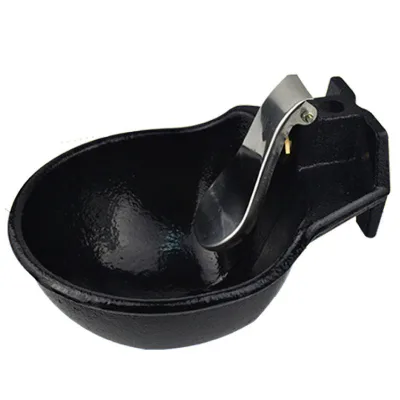


Comprehensive Sourcing Guide
Automatic Cow Drinker Sourcing Guide
Procuring automatic cow drinkers requires distinguishing between general livestock hydration systems and specific models designed for bovine operations. While the available market data highlights products for chickens and pigs, buyers must verify that any listed "automatic water dispenser" explicitly supports the weight, flow rate, and durability requirements of adult cattle. The observed product range includes models with adjustable water levels and leak-proof features, which are critical for preventing waste and maintaining hygiene in large-scale dairy or beef facilities.
Buyers should carefully cross-reference product specifications against the physical demands of a cow's drinking behavior, as many listed units are optimized for smaller livestock like chicks or piglets. The presence of stainless steel construction and corrosion resistance in the catalog suggests potential suitability for harsh farm environments, yet the specific application for cows must be confirmed through direct supplier inquiry. Relying solely on generic terms like "farm animal" without explicit bovine validation can lead to equipment failure or inadequate water delivery during peak usage times.
Product Scope and Observed Listing Signals
The current market listings reveal a diverse array of automatic hydration solutions, ranging from simple wall-mounted dispensers to complex pressure-based systems. Observed models feature adjustable water levels and anti-clogging mechanisms, which are essential for maintaining consistent flow in high-volume drinking scenarios. However, the specific product models identified, such as the KD616 and KD628-T, often carry packaging and structural details that may align more closely with poultry or swine applications rather than the robust needs of cattle.
Buyers must scrutinize the "Use" and "Application" fields in product descriptions to ensure they match bovine requirements, as many items are explicitly tagged for chickens or pigs. The observed data includes features like extended wheelbases and modern environment control advantages, which may indicate advanced automation but do not guarantee compatibility with cow drinking stations. It is vital to confirm that the "Automatic" structure and "Pressure" features are engineered to handle the larger water volume and higher pressure demands typical of dairy operations.
Technical Specifications to Verify
When evaluating technical specifications, the material composition is a primary concern, with stainless steel being a preferred choice for its durability and resistance to corrosion in wet environments. The observed listings mention stainless steel and steel materials, which are suitable for farm conditions, but buyers must verify the specific grade and thickness to ensure longevity under the heavy use of cattle. Additionally, the "Adjustable Water Level" and "Leak-proof" attributes observed in the catalog are critical features that must be tested to prevent water wastage and floor contamination.
Installation methods vary significantly, with options including wall mounting and hanging configurations, which must be selected based on the specific barn layout and cow stall design. The "Automatic" structure and "Fully Automatic" functionality observed in the data suggest advanced control systems, yet the integration of these systems with existing water lines requires careful planning. Buyers should verify the "Size" specifications, such as the 1kg to 10kg weight ranges, to ensure the unit's capacity aligns with the daily water consumption needs of the herd.
Compliance and Safety Documentation
Compliance with international standards is a non-negotiable aspect of sourcing livestock equipment, particularly when dealing with food-producing animals. The observed product data indicates that some units pass ISO9001 standards and carry CE certifications, which are positive indicators of quality management and safety. However, buyers must request specific documentation proving that the water contact materials meet food safety regulations for bovine consumption, as general farm certifications may not cover the specific hygiene requirements for dairy or beef cattle.
Safety documentation should also address the mechanical integrity of the automatic mechanisms to prevent injury to the animals. The "Corrosion Resistance" and "Anti-Leakage" features observed in the listings are vital for preventing electrical hazards and waterborne diseases, but these claims must be backed by independent test results. Procurement teams should verify that the "New" condition of the products is accompanied by a comprehensive warranty and that the "Installation" instructions include safety protocols for both workers and livestock.
Cost Drivers and Commercial Terms
Cost drivers for automatic cow drinkers are heavily influenced by the complexity of the automation, the quality of materials like stainless steel, and the scale of the production run. The observed MOQ ranges from 1 to 1000 units, with specific models requiring a minimum of 300 or 100 pieces, which can significantly impact the unit price for smaller farms. Buyers should anticipate that higher customization options and advanced features like "Extended Wheelbase" or "Anti-Clogging" systems will command a premium over basic pressure-based dispensers.
Commercial terms must be clearly defined regarding packaging and shipping, as the observed data lists various options including box, paper, wooden, and carton packages. The "Customization" availability noted in the product attributes allows for tailored solutions but may extend lead times and increase costs. Procurement teams should negotiate based on the total cost of ownership, considering that lower initial prices might result in higher maintenance costs if the equipment lacks the durability required for heavy-duty cow drinking applications.
Supplier Qualification and Quality Control
Supplier qualification should prioritize manufacturers with a proven track record in agricultural equipment and a demonstrated ability to meet international quality standards. The observed data points to suppliers in China Mainland and Shandong Weifang, regions known for agricultural machinery, but buyers must verify the specific factory capabilities and service history. A "15+" year service history and a "Factory" designation are positive signals, yet direct audits or third-party verification of production lines are necessary to ensure consistent quality.
Quality control processes must be rigorous, focusing on the "Condition" of the products and the reliability of the "Automatic" mechanisms. Buyers should request sample units to test the "Adjustable Water Level" and "Leak-proof" features under simulated farm conditions before committing to large orders. The "Custom" attributes and "Product Name" variations in the listings suggest a need for clear communication to ensure the final delivered product matches the specific technical requirements of the cow drinking system.
Long-Term Procurement Checks
Long-term procurement success depends on establishing a reliable supply chain that can support ongoing maintenance and spare part availability. The observed "Service" attributes and "Factory" presence suggest potential for long-term support, but buyers must formalize agreements for technical assistance and parts replacement. Regular checks on the "Corrosion Resistance" and structural integrity of the installed units are essential to prevent premature failure and ensure continuous water supply for the herd.
Buyers should also monitor changes in product standards and certifications to ensure continued compliance with evolving agricultural regulations. The "Customization" options and "Product Model" variations indicate a dynamic market, requiring periodic reviews of the supplier's ability to adapt to new requirements. Establishing a feedback loop with the supplier to report on "Advantage" performance, such as even drinking distribution, will help refine future procurement strategies and optimize the operational efficiency of the automatic drinking system.
FAQs
What specifications are available for automatic water dispensers?
Automatic water dispensers are available in various specifications including 2.5L and 1.8L capacities. Models like KD616 and KD628-T offer adjustable water levels and heights. These units feature corrosion resistance and leak-proof designs suitable for farm animals. The structure is automatic, ensuring consistent water delivery for livestock needs.
Can automatic cow drinkers be customized for specific farms?
Yes, customization is available for automatic cow drinkers and related equipment. Buyers can request specific attributes to match their farm requirements. The products support various packaging options such as box, paper, or wooden boxes. This flexibility allows for tailored solutions that fit different operational scales and animal types effectively.
Which certifications do automatic water dispensers typically hold?
Automatic water dispensers typically hold CE and ISO9001 certifications. These standards ensure quality and safety for agricultural use. The products are manufactured in China Mainland, with some originating from Shandong Weifang. Compliance with ISO9001 indicates a commitment to quality management systems in production processes.
What is the minimum order quantity for automatic drinkers?
The minimum order quantity varies by product type. Some automatic water dispensers have an MOQ of 300 units. Others, like pig drinkers, may have an MOQ of 100 pieces. Buyers should check specific product listings for exact MOQ requirements to ensure they meet the supplier's minimum purchase thresholds.
How are automatic water dispensers installed on farms?
Automatic water dispensers can be installed via wall mounting or hanging methods. Some models include installation attachments for ease of setup. The adjustable height feature allows for proper positioning for different animal sizes. This ensures that livestock can access water comfortably while maintaining hygiene and efficiency in the farm environment.
What materials are used in automatic cow drinkers?
Automatic cow drinkers are primarily made from stainless steel and steel. Stainless steel components offer corrosion resistance and durability for wet environments. The materials ensure long-term performance and hygiene. These robust constructions are designed to withstand the demands of farm animal usage while maintaining water quality and equipment integrity.